How Has the Hot, Dry Summer Affected Trees in Hampshire and What Could Another Heatwave in September Mean?
If some of the trees around your garden, property or site are looking noticeably different this summer, the weather could well be part of the reason.
Hampshire has been through an unusually hot and dry few months. The latest major heatwave in August saw temperatures reach 38.1°C in the UK, while prolonged dry spells have affected much of southern England. Hampshire and the Isle of Wight have also moved into drought status, following weeks of low rainfall and sustained pressure on local water supplies.
There has already been some welcome rain, but that does not necessarily mean trees immediately return to normal. Drought stress can affect growth, foliage and the overall condition of a tree and in some cases, the effects can continue into the following growing season.
With headlines already talking about the possibility of warmer weather returning in September, what should Hampshire homeowners and landowners be looking for and is there anything they can do to help?
What does prolonged hot weather actually do to a tree?
Trees lose water naturally through their leaves. During prolonged periods of heat and low rainfall, the amount of water being lost can exceed the amount the roots are able to replace and at that point, the tree begins to conserve water.
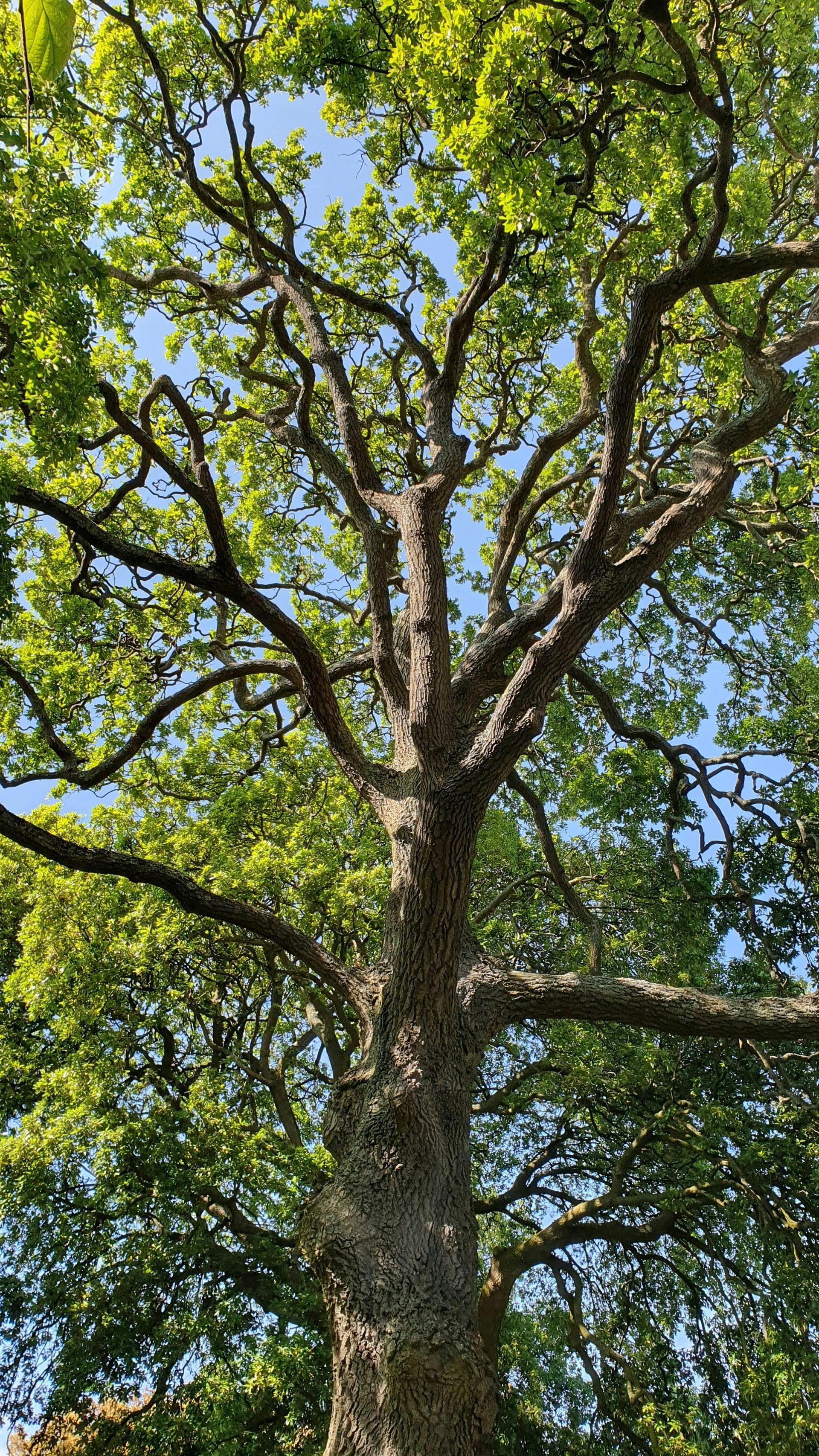
One of the most obvious responses can be a change in the canopy. Leaves may curl, develop brown or scorched edges, lose colour or begin falling earlier than expected. A tree can effectively sacrifice some of its foliage to reduce water loss but that doesn't automatically mean the tree is dying.
However, prolonged or repeated drought can have more serious effects. Forest Research identifies reduced growth, crown dieback and increased vulnerability to pests and diseases among the potential consequences of drought. Young trees, older trees and veteran trees can be particularly vulnerable.
Late-summer drought can also influence growth in the following year, which means the effects of the summer of 2026 may not disappear as soon as temperatures fall.
What have we been seeing locally?
“Over the last couple of months we’ve seen more trees showing signs of stress from the prolonged dry weather. In many cases that doesn’t mean there is anything seriously wrong with the tree, but where you start seeing significant dieback, dead branches or a canopy deteriorating quickly, it is worth taking a closer look, particularly if the tree is near a house, road or public area.”
— Jacob, Bishops Waltham Tree Surgeons
That distinction is important; A tree dropping leaves early after weeks of extreme weather is very different from a tree developing substantial deadwood or showing signs that its structural condition has changed. The difficulty for a homeowner is that the early signs can sometimes look very similar.
Signs your tree may be struggling after the heat
Some changes are relatively easy to spot. Leaves may be browning around the edges, curling, wilting or dropping much earlier than normal. The canopy may look thinner, or individual twigs and small branches may begin to die back.
With recently planted trees, persistent wilting can be particularly important because their root systems have not yet had time to establish fully. More established trees generally cope better, but severe or repeated drought can still place them under considerable stress.
Pay particular attention if a tree develops substantial dead branches, if a previously full canopy becomes noticeably sparse, or if its condition continues to worsen even after cooler and wetter weather arrives.
Those signs do not tell you exactly what is wrong. Drought, pests, disease and other problems can produce similar symptoms, which is why looking at the whole tree is often more useful than focusing on one brown leaf or branch.
Will the recent rain fix the problem?
Rain obviously helps, but a few wet days do not necessarily reverse several months of dry conditions. Forest Research notes that repeated drought can have a cumulative effect on trees, while drought later in the summer can affect growth in the following season.
The Environment Agency's figures also show how significant the wider water shortage has been. By mid-August, parts of the Solent and South Downs area, including Hampshire, had moved into drought status, while Southern Water remained at drought level 2 for Hampshire and the Isle of Wight.
So although rain is welcome, it is worth continuing to watch trees that have already been showing signs of stress rather than assuming the problem has disappeared.
What can you do to help your trees?
The right approach depends heavily on the age and condition of the tree. Newly planted and young trees generally need the most attention because they do not yet have the extensive root systems of established trees. During dry periods, slower and deeper watering is usually more useful than repeatedly wetting the surface of the soil.
Established trees are different. They will not normally need routine watering in the same way, although additional water may be appropriate during extreme drought or where a tree is clearly showing signs of water stress.
Current water restrictions also need to be considered. Hampshire has been subject to temporary restrictions on mains-water use during the drought, so homeowners should check the current rules before using a hosepipe or irrigation system. Watering with a watering can or bucket, harvested rainwater or other permitted sources may still be possible depending on the restrictions in force.
Mulching around younger trees can also help the soil retain moisture, but mulch should not be piled against the trunk itself.
Perhaps most importantly, resist the temptation to start heavily cutting back a stressed tree simply because the canopy looks poor.
Removing living foliage reduces the tree's ability to produce energy. If pruning is needed, it should have a clear purpose rather than simply being a reaction to the hot weather.
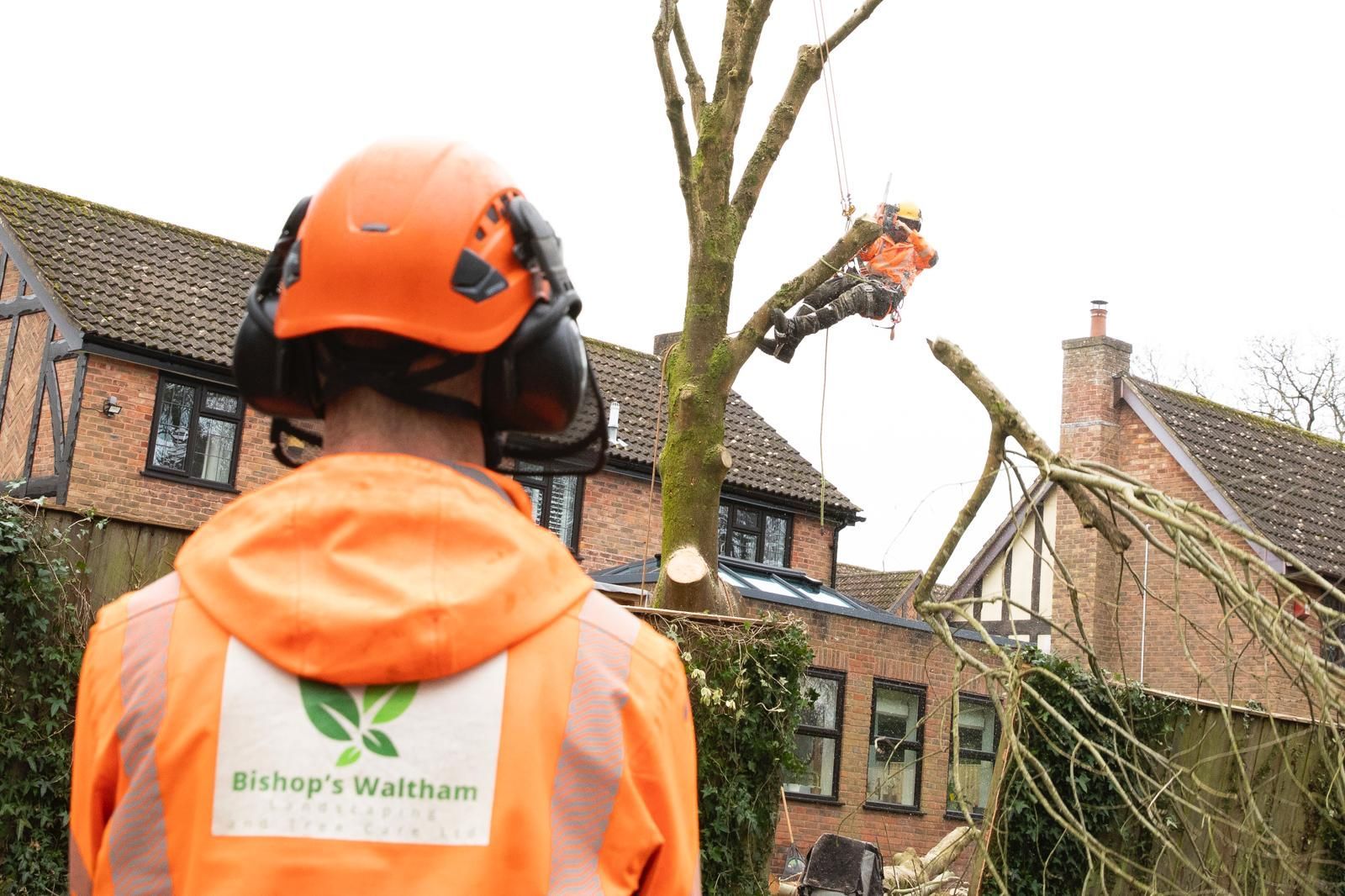
Our tree pruning and maintenance service can help where deadwood needs removing or where a tree requires appropriate pruning without unnecessarily removing healthy growth.
What can a tree surgeon actually do about drought stress?
There is no treatment that allows a tree surgeon to simply undo several months of hot, dry weather.
The value of a professional assessment is in working out what you are actually looking at. A tree surgeon can assess the overall condition of the tree, identify dead or compromised branches, look for signs of structural weakness and consider whether pests, disease or another issue could be contributing to the decline. Sometimes the right answer is to monitor the tree and give it time to recover.
In other cases, removing deadwood through appropriate tree pruning may reduce the risk of branches falling while allowing the healthy parts of the tree to remain.
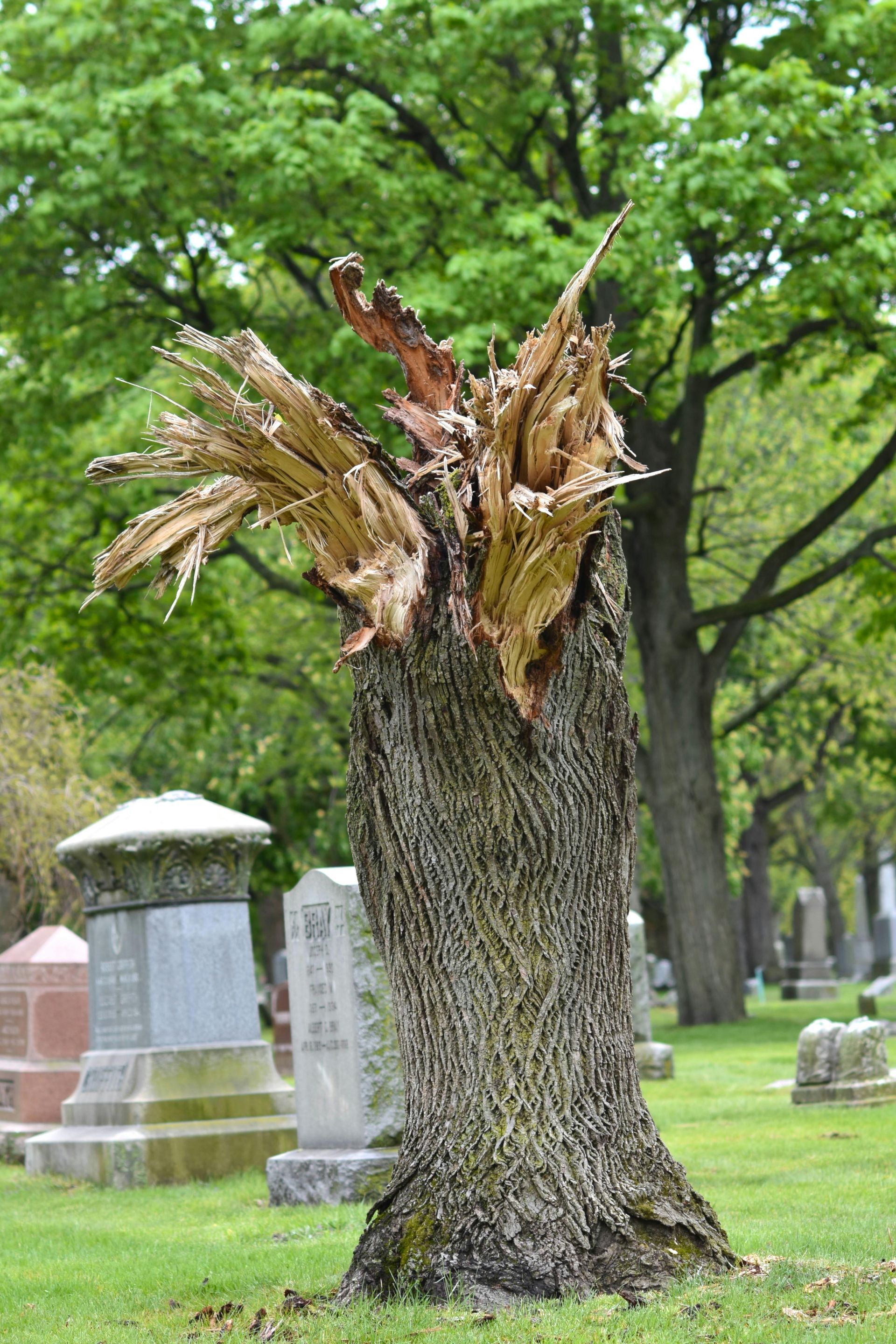
Where a tree has declined significantly or has become structurally unsafe, tree removal and felling may eventually be necessary. Removal should not be the automatic response to drought stress, but safety becomes more important where a declining tree stands close to homes, roads, parking areas, schools or other places regularly used by people.
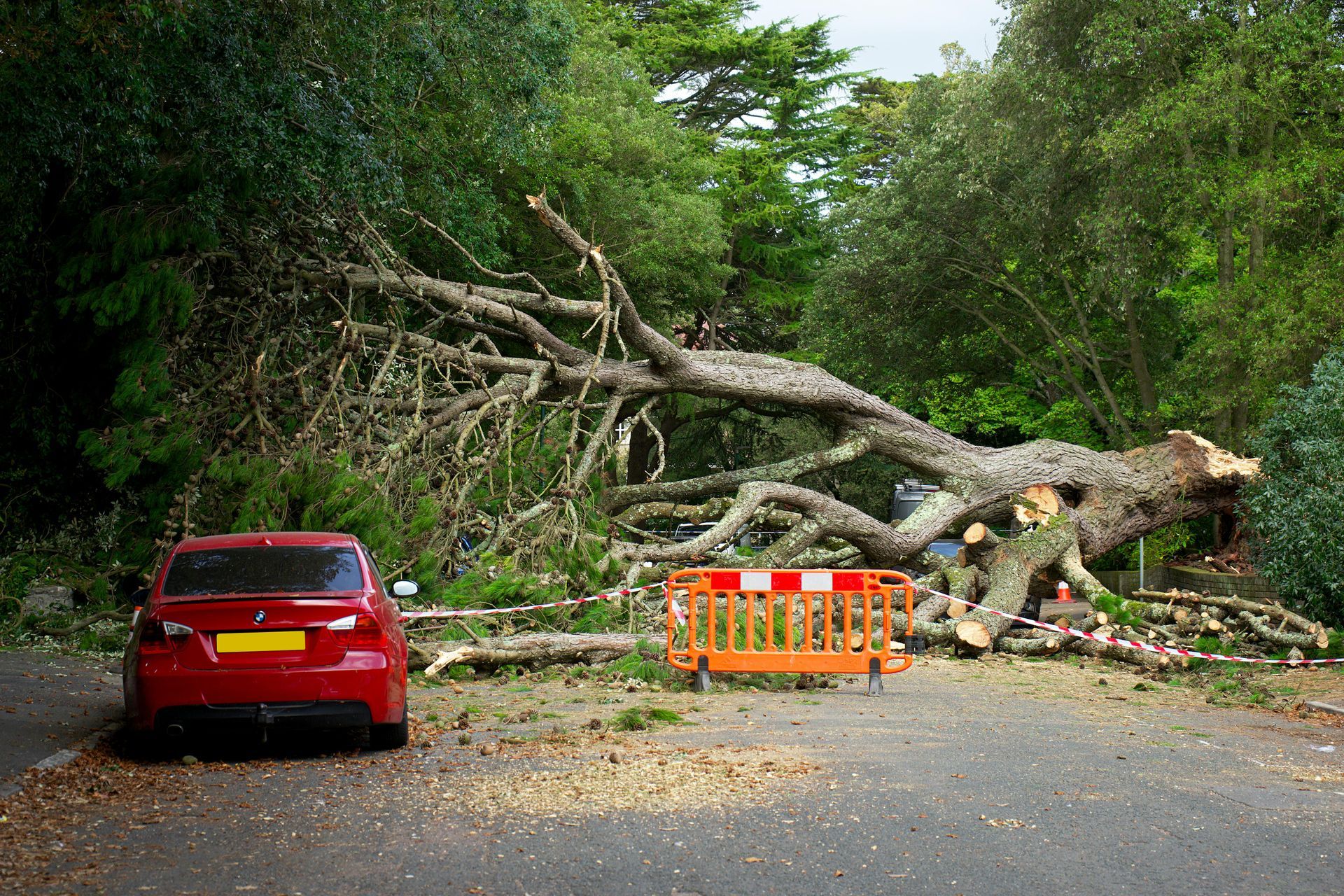
If a branch or tree fails suddenly and presents an immediate risk, our emergency tree work service covers Bishop's Waltham and the wider Hampshire area.
What could another hot spell in September mean?
There has been plenty of speculation about another September heatwave, but it is important not to treat that as a confirmed forecast.
The Met Office currently says temperatures could trend above average at times into September, particularly in southern parts of the UK, but confidence drops considerably further ahead. Another spell of exceptional heat like that experienced earlier in August is not currently considered the most likely outcome.
Even so, another sustained period of warm, dry weather could matter for trees that are already under stress.
A healthy, established tree may cope without any obvious long-term problem. A newly planted tree, an older specimen or a tree already affected by disease, root damage or previous drought may have less capacity to deal with another prolonged dry period. That is why the condition of the tree matters more than the temperature shown on a weather app.
Woodland and larger sites can be affected too
The same principles apply beyond individual garden trees. Landowners, estates and organisations managing larger groups of trees may begin to see drought stress developing across parts of a woodland or site. Different species, ages and soil conditions can mean some trees respond much more strongly than others.
Forest Research notes that smaller and more fragmented woodlands may be particularly susceptible to drying, while repeated drought can affect future growth and increase vulnerability to pests and disease.
Our forestry and woodland management service covers practical management of woodland and larger areas of trees across Hampshire.
For councils, property managers, site managers and businesses responsible for trees in areas used by the public, the main priority should be identifying trees where drought-related decline may also create a safety issue.
Worried about a tree after this summer's hot weather?
Brown leaves or early leaf fall do not necessarily mean your tree needs work. However, if you are seeing substantial deadwood, rapid deterioration, significant dieback or changes that make you concerned about the safety of a tree, it is sensible to get professional advice.
Bishops Waltham Tree Surgeons works throughout Hampshire, including Winchester, Southampton and Hedge End, providing tree assessment, pruning, tree removal and wider tree management for homeowners, landowners and commercial sites.
If you are concerned about a tree following this summer's heat and drought, get in touch with our team and we can take a look.