Tree Surgeons in Southampton

Bishops Waltham Tree Surgeons provide professional tree care services for customers across the Southampton area.


With experience working on both residential and commercial properties, we carry out tree work safely, efficiently and with minimal disruption.


Whether you need routine maintenance or help dealing with a problem tree, our team offers practical advice and a reliable service from start to finish.
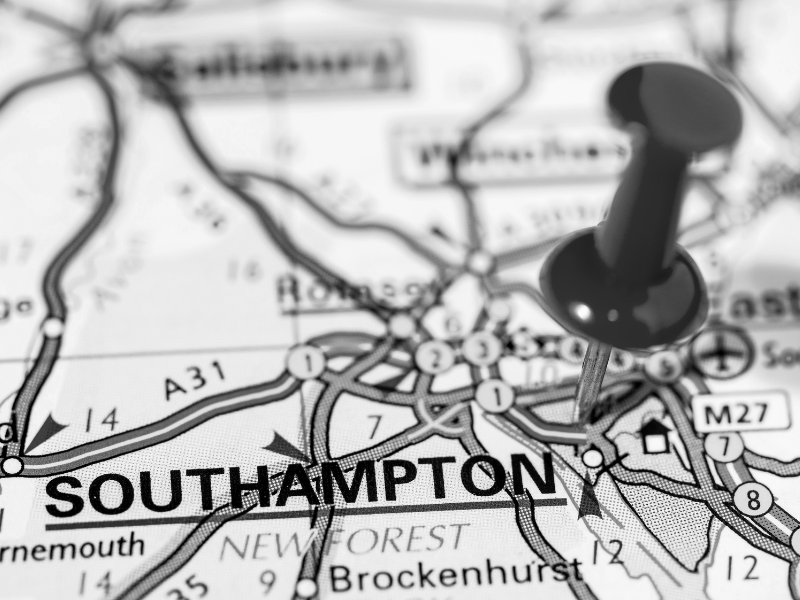
Map of Southampton, UK, with a red pushpin marking a location.

Tree Surgery Services Covering the Southampton Area

Trees require regular care to remain safe and healthy, particularly in built-up areas where space can be limited.


We offer a full range of tree surgery services to suit different requirements, from small garden work to larger, more complex jobs.


Our services include:
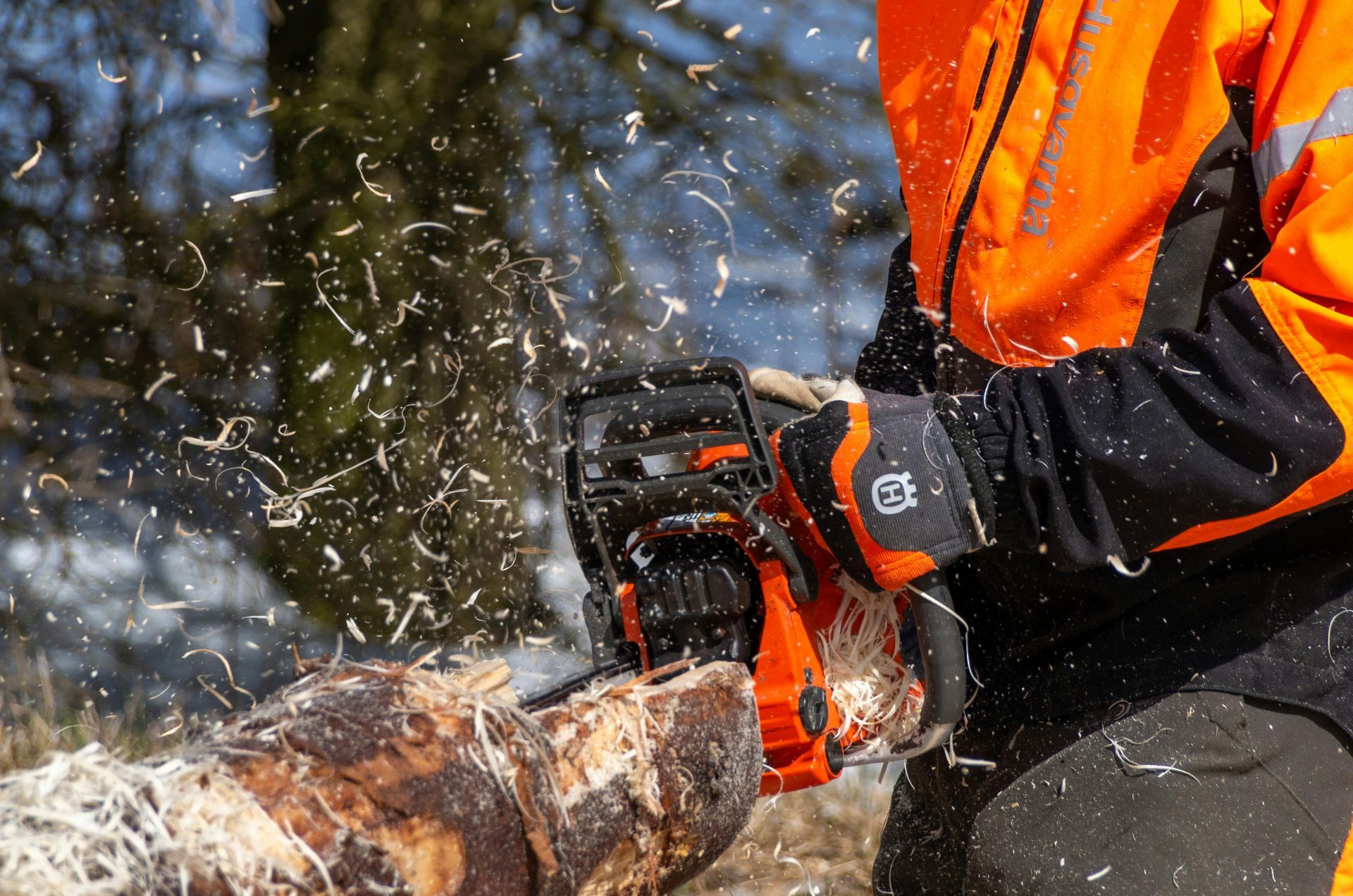
Tree removal and dismantling

Safe removal of trees in one piece or in sections, depending on space, access and surrounding structures.

Tree pruning and crown reductions

Careful pruning to manage size, improve shape and reduce stress on the tree.

Stump grinding and stump removal

Removal of unwanted stumps to ground level, leaving the area clear and ready for use.

Hedge cutting and general tree maintenance

Regular maintenance to keep hedges and trees tidy, healthy and under control.

Emergency call-outs following storm damage

Prompt response to fallen or damaged trees that pose an immediate risk after severe weather.

Crown lifting and thinning

Selective branch removal to increase light, improve clearance and reduce wind resistance.


Areas We Cover Around Southampton


Our tree surgeons cover Southampton and surrounding areas, including nearby towns and villages such as: Bitterne, Shirley, Totton, Hedge End, Eastleigh and the wider South Hampshire area.

  • Bitterne
  • Shirley
  • Totton
  • Hedge End
  • Eastleigh
  • Netley
  • Northam
  • Freemantle
  • Lordswood
  • Nursling
  • Swaythling
  • Woolston
  • Romsey

Read Bishops Waltham Tree Surgeons' Blog
By Vikrant Thakur December 4, 2025
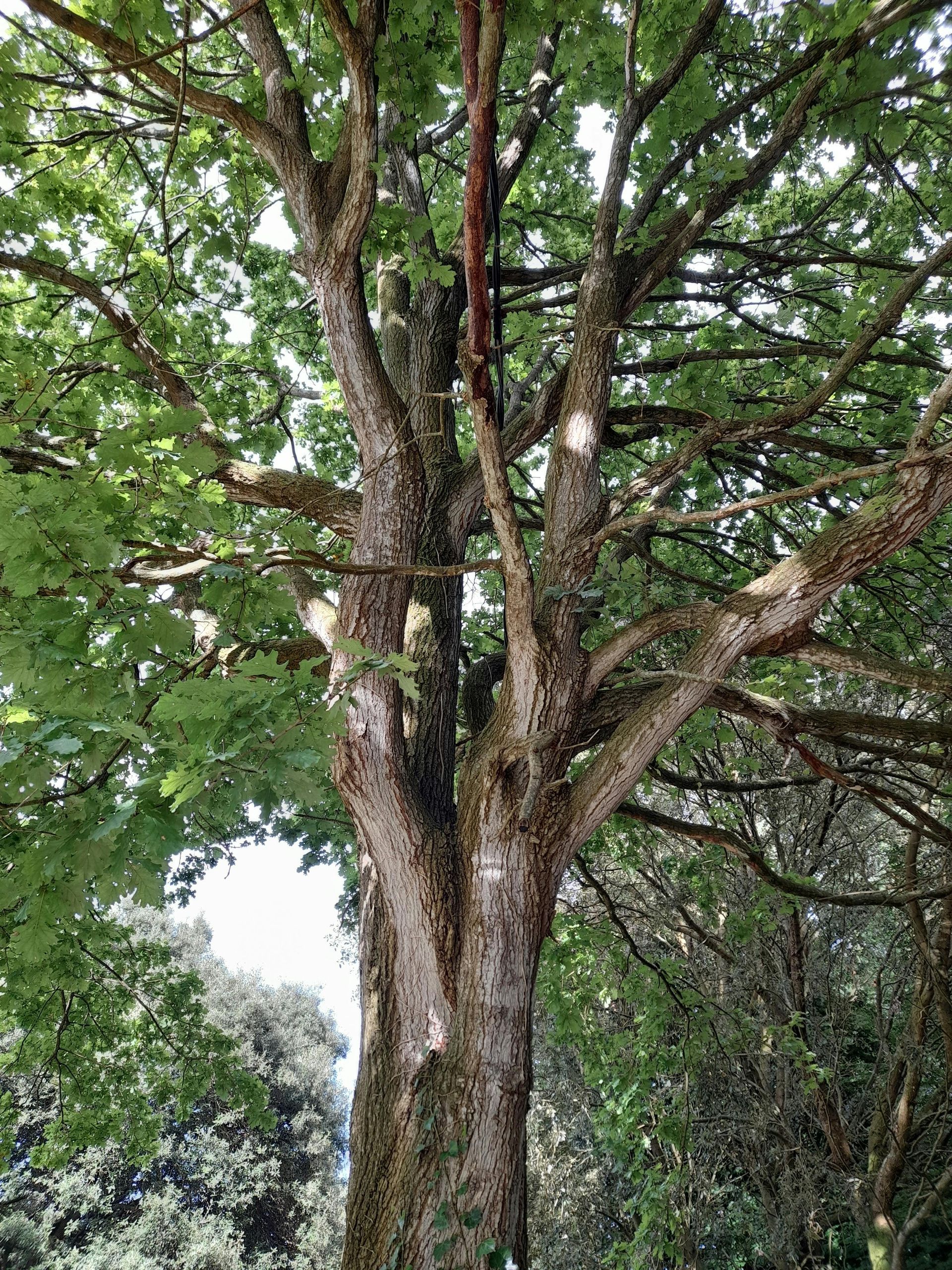
You've admired that magnificent oak in your Hampshire garden for years. It leafs out beautifully each spring, provides shade all summer, and looks the picture of health from the outside. But here's what keeps professional tree surgeons awake at night: some of Britain's most beloved oak trees are quietly dying from the inside out, and by the time you notice the symptoms, it might be too late to save them. The English oak (Quercus robur) and sessile oak (Quercus petraea) are iconic features of the British landscape, with some specimens living for over 500 years. Yet these ancient giants face a silent threat that's becoming increasingly common across Hampshire and beyond: Acute Oak Decline (AOD). Unlike the more publicised ash dieback, AOD works insidiously, often showing no external symptoms until the tree is seriously compromised. The Warning Signs You're Probably Missing Here's the unsettling part: AOD doesn't announce itself with dramatic wilting or obvious disease markers. Instead, it begins with subtle weeping patches on the bark - dark, sticky fluid that seeps from vertical cracks in the trunk. Most homeowners walk past these symptoms daily without registering them as the red flags they truly are. By the time the canopy starts thinning noticeably, the internal damage is often extensive. Professional tree surgery involves more than just cutting branches - it requires understanding the complex biology of British trees and recognising early disease symptoms. During routine inspections across Winchester, Southampton, and throughout Hampshire, we've identified numerous oak trees showing early AOD signs that owners had completely missed. The difference between catching it early and discovering it late can literally be the difference between saving the tree and losing it entirely. Why British Oaks Are Particularly Vulnerable Right Now Oak trees have always faced challenges, but several factors are converging to make them more vulnerable than ever. Climate change has brought warmer, wetter winters that favour the bacterial pathogens involved in AOD. Drought stress during increasingly hot summers weakens trees' natural defences. Add in the two-spot oak buprestid beetle, a pest that exploits weakened trees, and you've got a perfect storm of circumstances threatening Britain's oaks. What makes this particularly concerning for homeowners in areas like Bishops Waltham, Fareham, and Eastleigh is that mature oaks are often the most valuable trees on a property. An established oak can add £10,000-£20,000 to property value, provides irreplaceable wildlife habitat, and takes literally centuries to replace. Losing one isn't just emotionally devastating, it's a significant financial and ecological loss. The Technical Reality of Oak Health Management Here's something most people don't realise: oaks are incredibly resilient when healthy but become vulnerable once their defences are compromised. The key to keeping them healthy lies in understanding their unique biology. Unlike many trees, oaks should never be pruned during their active growing season (April to October). Pruning during this period exposes fresh wounds when oak wilt disease spores are most active, potentially introducing fatal infections. This is where professional expertise becomes crucial. Our certified arborists understand these species-specific requirements and time tree pruning work accordingly. We also know how to identify the difference between normal bark characteristics and early disease symptoms, a distinction that untrained eyes consistently miss. What You Can Actually Do About It If you have oak trees on your property, don't wait until problems become obvious. Annual professional inspections allow early detection of issues like AOD, honey fungus, or structural weaknesses. These assessments are particularly important for mature oaks over 100 years old, which are simultaneously the most valuable and most at-risk trees in your landscape. Proper care also means understanding what not to do. Many well-meaning homeowners damage oaks through over-mulching (which promotes root rot), soil compaction from construction work, or improper pruning that creates entry points for disease. Professional tree care in Romsey, Chandler's Ford, and across Hampshire ensures your oaks receive the specific attention they need to thrive for generations. Your oak tree might look perfectly healthy today, but appearances can be deceiving. A quick professional assessment could identify issues whilst they're still manageable, protecting an irreplaceable asset before it's too late. Those magnificent trees have survived centuries of British weather - don't let preventable problems end their reign on your watch. Contact our team at Bishops Waltham Tree Surgeons for an expert oak health assessment.
Professional tree surgeon cutting branches safely from ladder using protective gear and proper equip
October 26, 2025
Thinking of trimming that branch yourself? Read why professional tree surgery is safer, more efficient, and often cheaper than a trip to A&E.
Man with chains chopping tree
August 25, 2025
Your trees are among your property's most valuable assets, contributing to curb appeal, environmental benefits, and overall property value. However, without proper maintenance, trees can become liabilities rather than assets. Understanding essential tree care practices helps Hampshire property owners make informed decisions about their landscape investments. The Importance of Regular Tree Maintenance Well-maintained trees can increase property values by up to 20%, while neglected trees pose risks to buildings, vehicles, and personal safety. Regular maintenance keeps trees healthy, attractive, and structurally sound throughout their lifespan. At Bishops Waltham Tree Surgeons, we've seen how proactive tree care prevents costly emergency tree removal situations. A small investment in routine maintenance often saves thousands in damage repairs or emergency tree removal costs. Key Signs Your Trees Need Professional Attention Structural Issues Look for cracked or split bark, hollow sections in the trunk, or large dead branches. These indicate structural weakness that could lead to branch or tree failure during storms. Disease and Pest Problems Unusual leaf discoloration, premature leaf drop, or visible fungi growth signal potential health issues. Early intervention through professional tree surgery services can often save infected trees. Growth Problems Overcrowded branches, crossing limbs, or growth toward buildings and power lines require expert tree pruning to maintain tree health and safety. Seasonal Tree Care Calendar Spring Maintenance Spring is ideal for major pruning work as trees have maximum healing potential. Remove winter damage, shape crowns, and assess overall tree health before the growing season intensifies. Summer Monitoring Hot, dry periods stress trees and make them vulnerable to pests and diseases. Regular watering and monitoring help identify problems early. Autumn Preparation Fall is perfect for planting new trees and conducting health assessments before winter weather arrives. Remove hazardous branches that might fail during storms. Winter Safety Winter storms can cause significant damage. Having trees professionally assessed and maintained before winter reduces storm damage risks. Professional vs. DIY Tree Care While property owners can handle basic tasks like watering and minor cleanup, significant tree work requires professional expertise. Tree surgery involves working at height with dangerous equipment, and improper techniques can permanently damage trees or cause serious injury. Our team serves communities throughout Hampshire, including specialist Tree Surgeon in Winchester services alongside our coverage from Bishops Waltham to Southampton and beyond. We bring the proper equipment, insurance, and expertise to handle any tree care challenge safely and effectively. Choosing the Right Tree Care Partner When selecting a tree surgery company, verify qualifications, insurance coverage, and adherence to industry standards. Reputable companies follow BS3998 guidelines and employ certified arborists who understand local tree species and climate conditions. We pride ourselves on delivering professional, reliable, and high-quality tree care. Our customers throughout Hampshire trust us for routine maintenance and emergency services alike. Long-term Tree Health Strategy Successful tree care requires a long-term perspective. Young trees need establishment care, mature trees require maintenance pruning, and aging trees may need specialized support systems. Consider developing a multi-year tree care plan that addresses your landscape's unique needs. This proactive approach maximizes your trees' lifespan while minimizing risks and maintenance costs. Environmental and Economic Benefits Healthy trees provide numerous benefits including improved air quality, energy savings through natural cooling, and stormwater management. They also support local wildlife and contribute to Hampshire's natural beauty. Investing in professional tree care protects these benefits while safeguarding your property investment. Contact our team to discuss your tree care needs and develop a maintenance strategy that keeps your landscape healthy and beautiful year-round.
Show More