Can My Neighbour Force Me to Cut Down My Tree? | Rights and Responsibilities for Hampshire Homeowners
July 31, 2026

A mature tree can completely change the feel of a garden. It provides shade on warm summer days, creates privacy from neighbouring homes and often becomes one of the most attractive features of a property. Yet even the healthiest tree can become the centre of a disagreement when branches begin to overhang a fence, leaves collect in a neighbour's gutters or roots are suspected of causing damage.


One of the most common questions homeowners ask is, "Can my neighbour force me to cut down my tree?"


The short answer is usually no. In England, your neighbour cannot simply insist that you remove a healthy tree because they dislike it or find it inconvenient. However, owning a tree also comes with responsibilities. If it becomes dangerous, causes damage or creates a legal nuisance, you may be expected to take reasonable action.


Whether you live in Bishop's Waltham, Southampton or elsewhere in Hampshire, understanding your rights can help you avoid unnecessary disputes and make informed decisions about tree care.

Who owns the tree?

Before looking at legal responsibilities, it's worth establishing ownership.


In most cases, the owner of the land where the tree trunk is growing also owns the tree. It doesn't matter if branches stretch across the boundary or the canopy extends into the neighbouring garden. Ownership is determined by where the trunk meets the ground.


This is important because the owner is generally responsible for maintaining the tree and ensuring it does not present an unreasonable risk to other people or nearby property.


If you're unsure where the boundary lies, your property's title plan or Land Registry documents may help clarify ownership before any work is carried out.

Good to know: If a tree sits exactly on the boundary line, ownership may be shared. In these situations, both neighbours should agree before major work or removal takes place.

Can your neighbour legally make you remove your tree?

For most homeowners, the answer is no.


Living next to trees naturally comes with seasonal inconveniences. The law generally expects neighbours to tolerate ordinary issues that come with trees growing in residential areas.


Your neighbour cannot normally force you to remove a healthy tree simply because it:

Blocks some sunlight

Casts shade across their garden

Drops leaves during autumn

Produces blossom, seeds or sap

Attracts birds or insects

Obstructs part of their view

Is larger than they would prefer

Whilst these situations can certainly be frustrating, they do not automatically create a legal obligation for the owner to remove the tree. Instead, the law focuses on whether the tree is creating an unreasonable risk or causing actual damage. That distinction is important because many neighbour disputes begin with assumptions rather than evidence.

When could you be responsible?

Although your neighbour cannot usually demand that you cut down your tree, there are situations where you may have a legal duty to take action.

The tree has become dangerous

Property owners owe a duty of care to visitors, neighbours and members of the public. If a tree is obviously dead, dying or structurally unstable, ignoring the problem could leave you liable if it later causes injury or property damage.


Warning signs may include:

Large dead branches

Lorem ipsum dolor sit amet, consectetur adipiscing elit.

Deep cracks or splitting

Significant leaning after storms

Lorem ipsum dolor sit amet, consectetur adipiscing elit.

Exposed or damaged root systems

Not every tree showing these signs needs to be removed immediately. In many cases, a qualified tree surgeon can recommend pruning, crown reduction or other treatments that improve safety whilst preserving the tree.


Where removal becomes necessary, professional tree removal and tree felling can ensure the work is carried out safely and in accordance with local regulations.

The tree is causing proven damage

Tree roots are often blamed whenever cracks appear in walls or patios, but they are not always responsible. Establishing that a tree has caused structural damage usually requires evidence from surveyors, engineers or insurers.


Examples might include:

Foundation movement

Drain damage

Lifted paving

Retaining wall movement

Subsidence linked to nearby trees

Simply believing that roots are responsible is rarely enough. Professional investigation is usually needed before responsibility can be established.

Branches present a hazard

Branches hanging over neighbouring gardens are not automatically dangerous. However, limbs that are dead, split or likely to fall during high winds should be inspected promptly.


Regular maintenance often prevents small issues from becoming expensive problems later. If the canopy has become overgrown, routine hedge trimming and tree pruning can improve both safety and the long-term health of the tree.

Important: Ignoring an obviously hazardous tree could increase your liability if damage or injury occurs later. Regular inspections are often far less expensive than emergency repairs.

What counts as a legal nuisance?

This is where many homeowners become confused. Not every inconvenience caused by a tree amounts to a legal nuisance. Generally speaking, the courts look for genuine interference with another person's use or enjoyment of their property rather than everyday annoyances.


For example, the following are usually considered part of normal life:

Falling leaves

Blossom during spring

Seeds or berries

Bird activity

Seasonal shade

Minor debris after windy weather

On the other hand, issues that may amount to a legal nuisance include:

Dangerous branches likely to fall

Roots causing verified structural damage

Lorem ipsum dolor sit amet, consectetur adipiscing elit.

Significant encroachment that causes measurable harm

Each situation depends on its individual facts. A mature oak growing close to neighbouring buildings may require different management from a small ornamental tree in a suburban garden.

Can your neighbour cut branches that cross into their garden?

Yes, but only within certain limits.


Under common law, your neighbour generally has the right to remove branches or roots that cross onto their side of the property boundary.

However, that right comes with several important restrictions.


They can:

Cut back only to the boundary line.

Lorem ipsum dolor sit amet, consectetur adipiscing elit.

Trim roots or branches that physically cross the boundary.

They cannot:

Enter your property without permission.

Lorem ipsum dolor sit amet, consectetur adipiscing elit.

Deliberately damage or destabilise the tree.

Ignore legal protections such as Tree Preservation Orders.

Interestingly, the branches they remove technically remain the property of the tree owner. Good practice is to offer the cut material back rather than disposing of it without permission.


In reality, most neighbours simply agree who will dispose of the waste, helping to avoid unnecessary disagreements.

Trees protected by Tree Preservation Orders

Before arranging any pruning or removal, it's worth checking whether your tree is legally protected.


Many mature trees across Hampshire are covered by Tree Preservation Orders, commonly known as TPOs. These orders are designed to protect trees that provide significant public amenity or environmental value.If a tree is protected, you may need written permission from the local planning authority before carrying out work.


This can include:

Removing the tree

Heavy pruning

Crown reduction

Pollarding

Lopping major limbs

Carrying out unauthorised work on a protected tree can lead to substantial fines.


Trees located within conservation areas may also require advance notification before work begins, even if they are not individually protected by a Tree Preservation Order.
Watch Out: Never assume that because a tree stands in your own garden you are free to remove it. Always check whether legal protections apply before arranging any major work.

Quick guide to common neighbour concerns

The majority of neighbour disagreements can be resolved long before they become legal disputes. Open communication, regular maintenance and professional advice often provide the best outcome for everyone involved.

Neighbour's concern Is Removal Mandatory? Recommended action
Leaves falling into their garden Usually no Routine maintenance if appropriate
Tree blocks sunlight Usually no Discuss pruning if practical
Birds nesting in branches No No action usually required
Overhanging branches Not necessarily Prune to maintain good neighbour relations
Dead or unstable branches Potentially Arrange a professional inspection promptly
Proven root damage Possibly Obtain expert advice and investigate the cause
Storm damage Depends on severity Arrange an urgent safety assessment if required

Trees, insurance and who pays for damage

If a tree causes damage, many homeowners immediately assume the tree owner is automatically responsible. In reality, liability is not always that straightforward. Insurance companies generally look at whether the owner was negligent rather than simply whether the tree caused the damage.


For example, if a healthy tree is blown over during an exceptionally severe storm with no warning signs of disease or instability, the incident may be treated as an unfortunate natural event. In many cases, each homeowner's insurance policy will deal with damage to their own property.


However, the situation may be different if there was clear evidence that the tree had become dangerous and the owner failed to act.


Examples of negligence might include:

Ignoring obvious decay or disease.

Leaving large dead branches hanging over neighbouring property.

Failing to address damage identified during a previous inspection.

Refusing to deal with a tree that had become unstable after storms.

If a dispute reaches insurers, they may ask for evidence such as photographs, inspection reports or correspondence showing whether concerns had been raised before the incident.

Good To Know: Keeping records of tree inspections and maintenance can be helpful if questions ever arise about your responsibilities.

What should you do after storm damage?

High winds can cause significant damage to even well-maintained trees. Broken limbs, split trunks and uprooted trees can all create immediate safety risks.


If your tree has been damaged during a storm, avoid attempting to deal with large branches yourself. Storm-damaged trees can be unpredictable, and damaged limbs may remain under considerable tension.


A sensible approach is to:

  1. Keep people away from the affected area.
  2. Avoid parking vehicles beneath damaged branches.
  3. Contact your insurer if property has been damaged.
  4. Arrange a professional assessment as soon as possible.
  5. Keep photographs of the damage for your records.


Where a tree poses an immediate risk to people, roads or nearby buildings, professional emergency tree work can make the area safe before further damage occurs.

Can you remove a tree just to keep the peace?

Sometimes, the legal answer is not the same as the practical one.


You may have every right to keep a healthy tree, but if it has become the source of ongoing tension with your neighbour, it may be worth exploring reasonable compromises.


For example, selective pruning may:

Reduce shading without removing the tree.

Improve the appearance of the canopy.

Remove branches extending towards neighbouring buildings.

Reduce debris during autumn.

Improve overall tree health.

A conversation before carrying out any work can also prevent misunderstandings.


Many neighbour disputes escalate simply because people stop communicating.


Listening to concerns does not necessarily mean accepting blame. Likewise, explaining your own position calmly often leads to a solution both parties are happy with.

Looking after your trees throughout the year

Trees are much easier to manage when they receive regular care rather than being left for years without attention. Routine maintenance offers several benefits beyond simply improving appearance.


It can:

Remove weak or damaged branches before they fail.

Encourage healthier growth.

Improve light levels without excessive cutting.

Reduce the likelihood of storm damage.

Identify disease at an early stage.

Extend the life of mature trees.

Different species require pruning at different times of the year, so it's worth seeking advice before arranging extensive work. Professional hedge trimming and tree pruning helps maintain both the health of the tree and the safety of your property.

What if the tree needs to come down?

Tree removal is usually considered the last option rather than the first. Many mature trees can be preserved through careful management, but removal may become necessary if a tree:

Is dead or beyond recovery.

Has become structurally unsafe.

Is causing verified structural damage.

Has suffered severe storm damage.

Has outgrown the available space.

Cannot be safely managed through pruning alone.

Removing a tree is only part of the job.


The remaining stump can continue to cause problems by encouraging fungal growth, producing new shoots or getting in the way of landscaping projects. Professional stump grinding and root removal  can leave the area ready for replanting, turfing or future garden improvements.

Larger properties and woodland management

Not every tree-related issue involves a suburban garden.


Across Hampshire, many homeowners own larger rural properties, paddocks or areas of woodland that require ongoing management. Rather than focusing on individual trees, woodland management takes a broader approach by helping to:

Improve woodland health.

Encourage biodiversity.

Remove dangerous or diseased trees.

Improve access routes.

Reduce storm-related risks.

Support long-term sustainability.

Professional forestry and woodland management ensures larger sites remain safe whilst protecting the character of the landscape.

Overgrown land and vegetation clearance

Sometimes the problem is not a single tree at all. Overgrown gardens, neglected boundaries and dense vegetation can make it difficult to inspect trees properly or identify potential hazards. Clearing excessive growth often reveals hidden issues before they become more expensive to resolve.


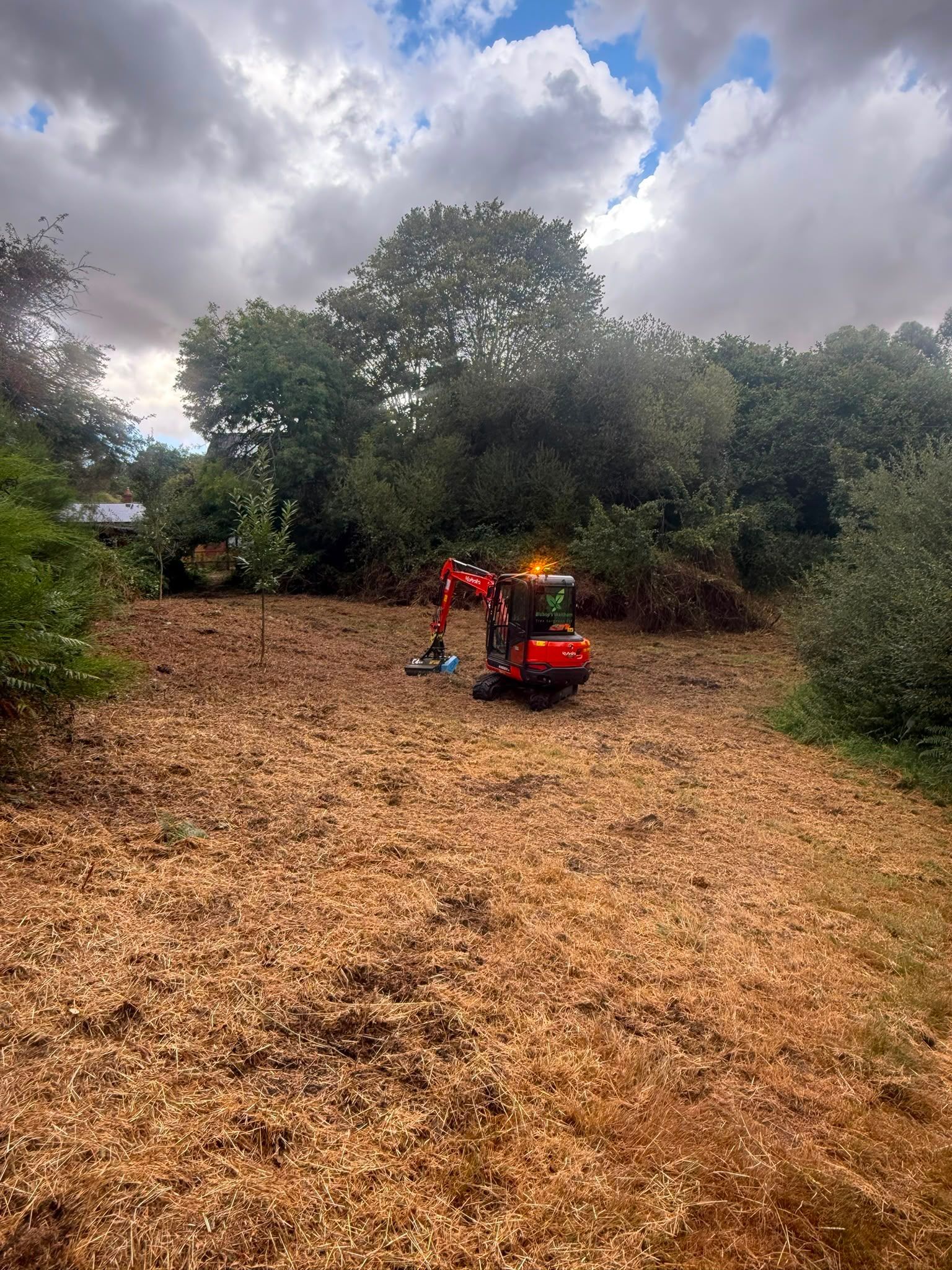
Professional vegetation management and site clearance can be particularly useful when:
Preparing land for development.

Restoring neglected gardens.

Improving access.

Managing commercial sites.

Reducing fire risk during dry weather.

Creating a safer environment around mature trees.

Final Thoughts

Disagreements over trees are surprisingly common, but they do not always have to become legal disputes. Understanding your rights and responsibilities as a homeowner is often the first step towards resolving concerns calmly and fairly.


In most situations, your neighbour cannot force you to cut down a healthy tree simply because it blocks light, drops leaves or affects their view. Those are generally considered normal aspects of living near mature trees.


Your responsibilities become more significant when a tree is unsafe, poorly maintained or causing genuine damage. Regular inspections, sensible maintenance and early action can reduce the likelihood of accidents whilst helping to preserve trees that add beauty and value to your property.


If you are unsure whether a tree poses a risk, has become the subject of a neighbour complaint or simply needs professional attention, seeking expert advice is often the simplest way to move forward. An experienced tree surgeon can assess the condition of the tree, explain the available options and recommend the most appropriate course of action based on its health, location and any legal protections that may apply.


For homeowners across Bishop's Waltham and the wider Hampshire area, getting impartial advice early can often prevent a small concern from becoming a much larger problem later on.

Frequently Asked Questions
Can my neighbour force me to remove a healthy tree?

In most cases, no. Your neighbour cannot usually require you to remove a healthy tree simply because it blocks sunlight, drops leaves or affects their view. You may only be expected to take action if the tree is dangerous or causing proven damage.


Can my neighbour cut branches that hang over the boundary?

Yes. They are generally entitled to trim branches or roots back to the boundary line, provided they do not enter your property without permission or damage the health of the tree. If the tree is protected by a Tree Preservation Order or is within a conservation area, permission may be required before work takes place.


Am I responsible if my tree falls during a storm?

Not necessarily. Responsibility often depends on whether the tree was properly maintained. If it was healthy and failed because of exceptional weather, negligence may not apply. If there were obvious warning signs that were ignored, liability may be different.


How often should mature trees be inspected?

There is no legal requirement for a fixed inspection schedule, but many homeowners arrange a visual check each year and a professional inspection whenever a tree shows signs of disease, storm damage or structural weakness. Larger or older trees may benefit from more regular assessments.


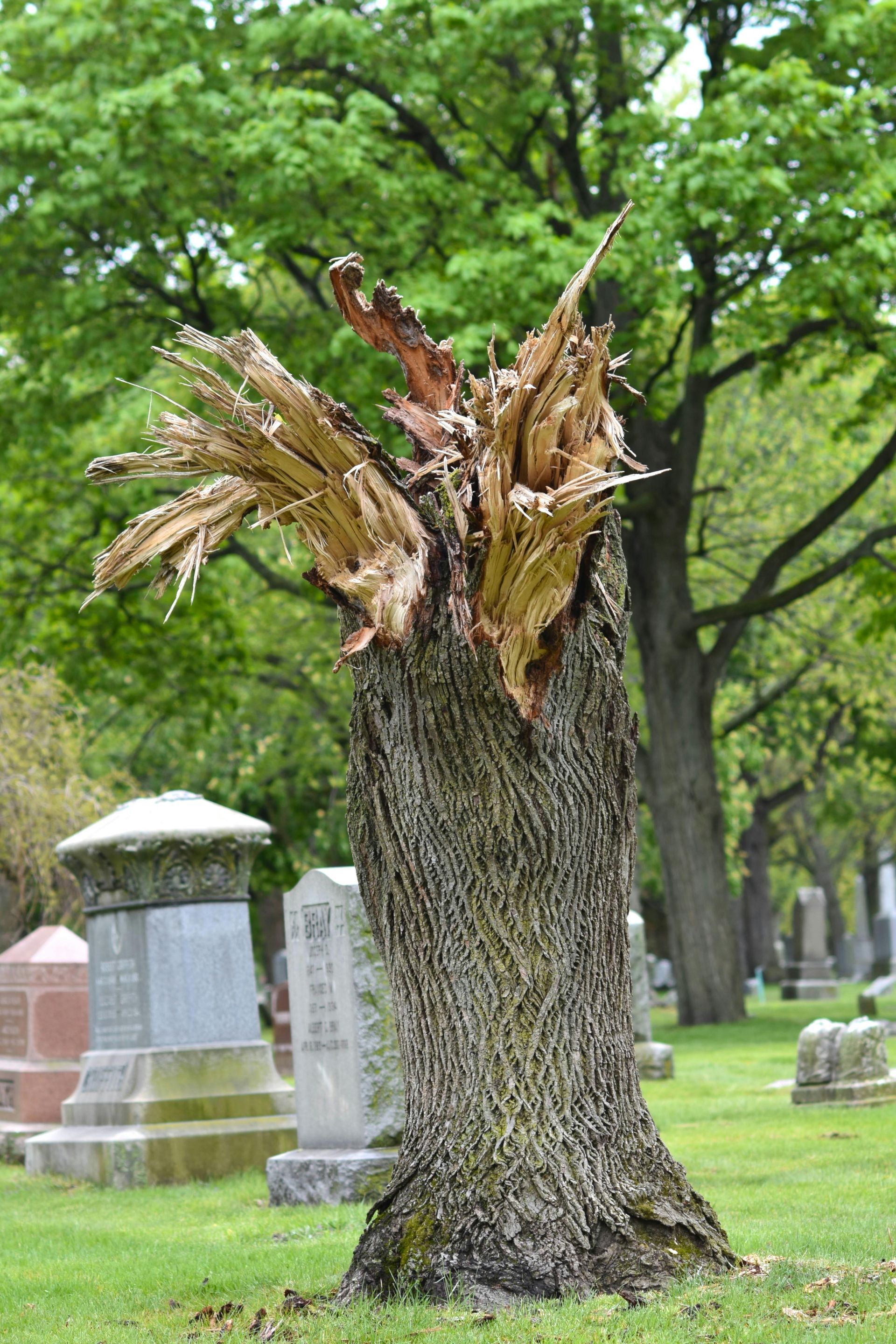
Broken tree stump in a cemetery with green grass and gravestones in the background
By Bishops Waltham Tree Surgeons June 28, 2026
Learn the five warning signs that a tree may need professional attention. Expert advice from Bishops Waltham Tree Surgeons to keep your property safe and your trees healthy.
Large tree growing near a residential property in Winchester
By Bishops Waltham Tree Surgeons May 11, 2026
Worried about trees growing near your property? Learn the warning signs, common risks and when to contact a tree surgeon.
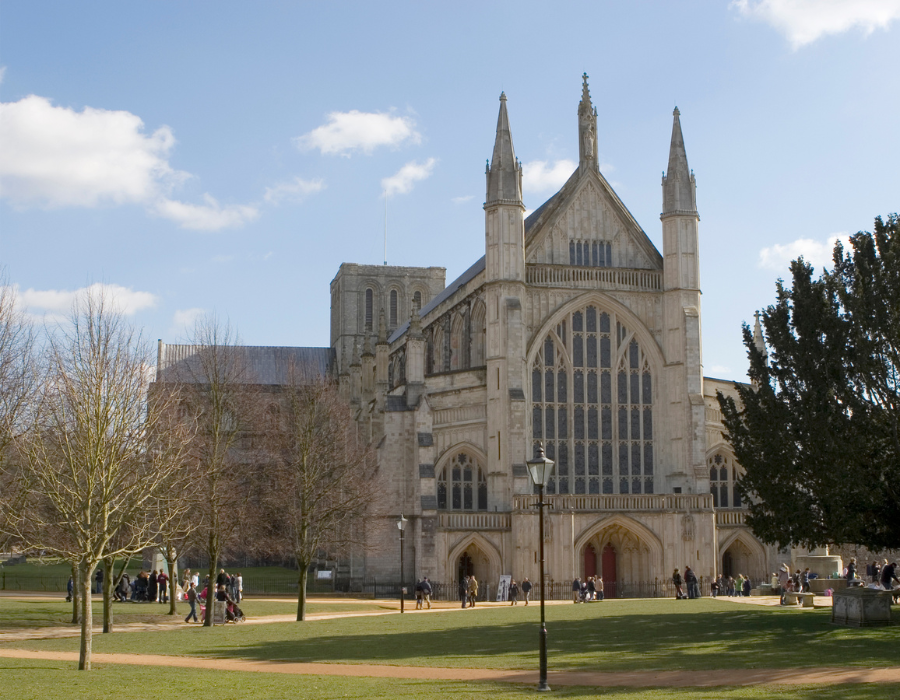
Winchester Cathedral on a sunny day, showcasing its Gothic stone architecture, large stained-glass window, and spires.
By Bishops Waltham Tree Surgeons April 14, 2026
Tree Preservation Orders in Winchester explained. Learn what they mean, how to check them, and when you need permission before carrying out tree work.
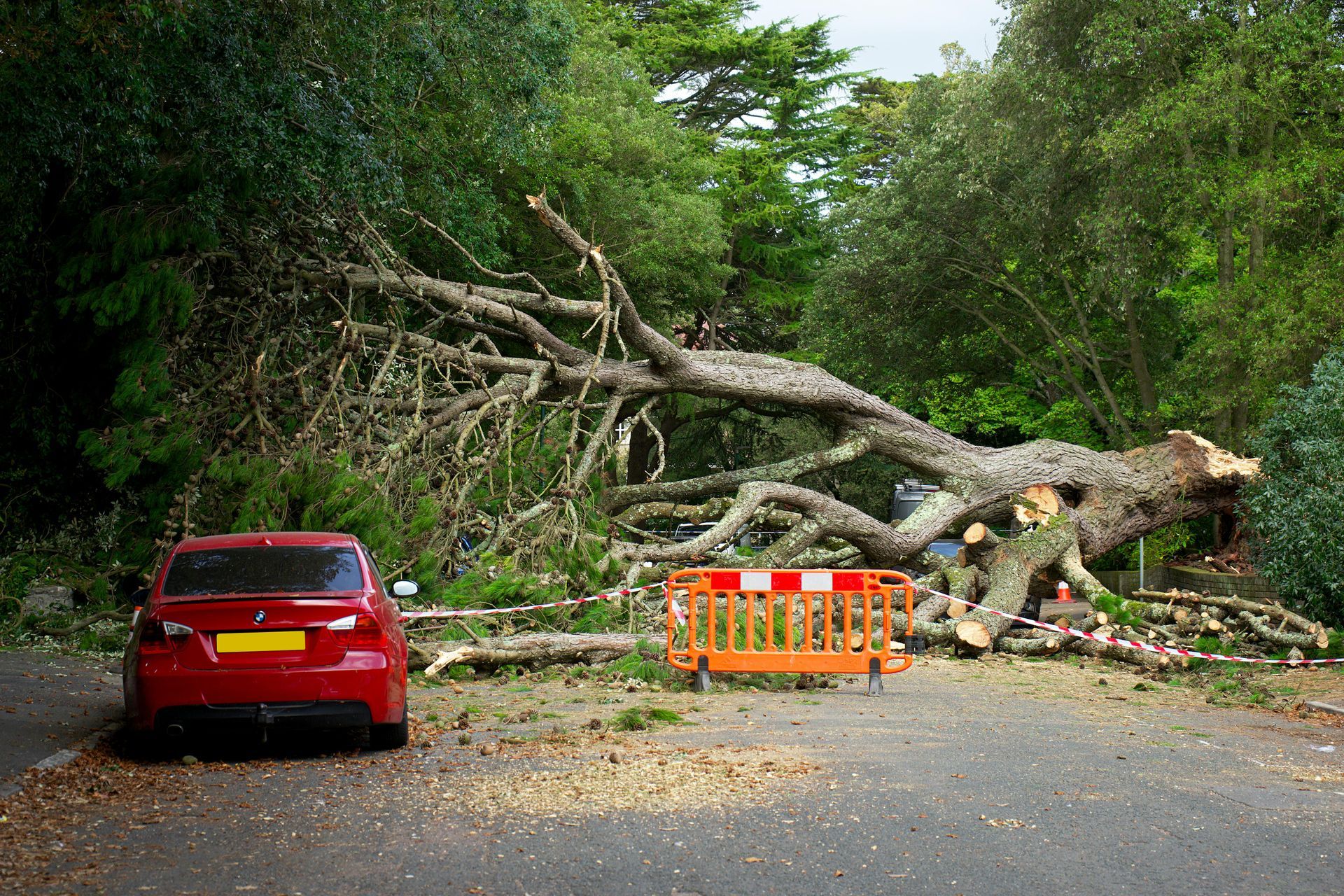
A red car parked on a road blocked by a fallen tree; orange barrier in front.
By Stuart McIndoe February 9, 2026
Learn how to spot early signs of structural weakness in trees across Bishops Waltham and Winchester before they become costly or dangerous.
Image of great oak tree from the trunk
By Stuart McIndoe January 11, 2026
Oak trees can decline internally long before visible symptoms appear. Discover the warning signs and when expert tree inspection is needed.
Professional tree surgeon cutting branches safely from ladder using protective gear and proper equip
October 26, 2025
Thinking of trimming that branch yourself? Read why professional tree surgery is safer, more efficient, and often cheaper than a trip to A&E.
Man with chains chopping tree
August 25, 2025
Your trees are among your property's most valuable assets, contributing to curb appeal, environmental benefits, and overall property value. However, without proper maintenance, trees can become liabilities rather than assets. Understanding essential tree care practices helps Hampshire property owners make informed decisions about their landscape investments. The Importance of Regular Tree Maintenance Well-maintained trees can increase property values by up to 20%, while neglected trees pose risks to buildings, vehicles, and personal safety. Regular maintenance keeps trees healthy, attractive, and structurally sound throughout their lifespan. At Bishops Waltham Tree Surgeons, we've seen how proactive tree care prevents costly emergency tree removal situations. A small investment in routine maintenance often saves thousands in damage repairs or emergency tree removal costs. Key Signs Your Trees Need Professional Attention Structural Issues Look for cracked or split bark, hollow sections in the trunk, or large dead branches. These indicate structural weakness that could lead to branch or tree failure during storms. Disease and Pest Problems Unusual leaf discoloration, premature leaf drop, or visible fungi growth signal potential health issues. Early intervention through professional tree surgery services can often save infected trees. Growth Problems Overcrowded branches, crossing limbs, or growth toward buildings and power lines require expert tree pruning to maintain tree health and safety. Seasonal Tree Care Calendar Spring Maintenance Spring is ideal for major pruning work as trees have maximum healing potential. Remove winter damage, shape crowns, and assess overall tree health before the growing season intensifies. Summer Monitoring Hot, dry periods stress trees and make them vulnerable to pests and diseases. Regular watering and monitoring help identify problems early. Autumn Preparation Fall is perfect for planting new trees and conducting health assessments before winter weather arrives. Remove hazardous branches that might fail during storms. Winter Safety Winter storms can cause significant damage. Having trees professionally assessed and maintained before winter reduces storm damage risks. Professional vs. DIY Tree Care While property owners can handle basic tasks like watering and minor cleanup, significant tree work requires professional expertise. Tree surgery involves working at height with dangerous equipment, and improper techniques can permanently damage trees or cause serious injury. Our team serves communities throughout Hampshire, including specialist Tree Surgeon in Winchester services alongside our coverage from Bishops Waltham to Southampton and beyond. We bring the proper equipment, insurance, and expertise to handle any tree care challenge safely and effectively. Choosing the Right Tree Care Partner When selecting a tree surgery company, verify qualifications, insurance coverage, and adherence to industry standards. Reputable companies follow BS3998 guidelines and employ certified arborists who understand local tree species and climate conditions. We pride ourselves on delivering professional, reliable, and high-quality tree care. Our customers throughout Hampshire trust us for routine maintenance and emergency services alike. Long-term Tree Health Strategy Successful tree care requires a long-term perspective. Young trees need establishment care, mature trees require maintenance pruning, and aging trees may need specialized support systems. Consider developing a multi-year tree care plan that addresses your landscape's unique needs. This proactive approach maximizes your trees' lifespan while minimizing risks and maintenance costs. Environmental and Economic Benefits Healthy trees provide numerous benefits including improved air quality, energy savings through natural cooling, and stormwater management. They also support local wildlife and contribute to Hampshire's natural beauty. Investing in professional tree care protects these benefits while safeguarding your property investment. Contact our team to discuss your tree care needs and develop a maintenance strategy that keeps your landscape healthy and beautiful year-round.
Tree surgeon trimming a tree with a chainsaw
August 10, 2025
In the world of tree surgery, the right tools can make all the difference between a job well done and a potential disaster. Whether you're an experienced arborist or just starting in the field, understanding the essential equipment used by tree surgeons is crucial. From the safety gear that keeps them protected to the cutting tools that slice through branches with ease, each piece of equipment plays a vital role. But what exactly do these professionals carry in their toolkits? HSE advises Have you ever wondered what it takes to safely and efficiently trim a towering oak or remove a stubborn tree stump? The answers lie in the array of specialised tools that tree surgeons rely on daily. Let’s delve into these indispensable items and discover how they contribute to the art and science of tree surgery. Key Takeaways Safety gear is paramount for tree surgeons, including harnesses, helmets, and gloves Climbing tools such as ropes and spurs enable safe and efficient tree access Cutting tools like chainsaws and pruning shears facilitate precise and effective branch removal Rigging equipment ensures the safe lowering of tree sections Ground equipment like wood chippers and stump grinders clean up and prepare sites Safety Gear Before any tree surgeon can begin their work, they must first equip themselves with the appropriate safety gear. This aspect of tree surgery cannot be overstated, as it forms the bedrock of a safe and efficient operation. Harness A harness is more than just a piece of equipment; it's a lifeline that provides critical support and stability for tree surgeons working at height. When you're suspended high above the ground, a well-fitted harness can significantly reduce fatigue, allowing you to focus on the task at hand. Comfort is key, as hours spent aloft can take a physical toll. The best harnesses are designed with adjustable features, accommodating various body sizes and shapes to provide maximum support. Tree surgeons must also consider the safety standards when selecting a harness. These standards ensure that the harnesses are not only reliable but also offer the protection required to prevent accidents. When choosing climbing tools like harnesses, it's essential to consider both comfort and safety. Helmet A helmet is an indispensable part of a tree surgeon's safety gear, acting as a shield against falling debris and unexpected impacts. The best helmets are designed with ventilation to offer comfort even during extended use in warm conditions. Additionally, many helmets come equipped with integrated visors or face shields, providing further protection for the face. The colour of the helmet also plays a significant role in safety. Brightly coloured helmets enhance visibility, making it easier for team members to spot each other, which is particularly beneficial in crowded or busy job sites. For arborists, protective equipment like helmets is not just about safety; it's about ensuring peace of mind while on the job. Eye Protection When working with trees, debris and dust can pose significant risks to your eyes. Therefore, eye protection is vital for shielding against these hazards. High-quality safety glasses or goggles provide a clear field of vision, allowing you to focus on your work without distraction. Anti-fog features are particularly beneficial, ensuring that your view remains unobstructed in various weather conditions. Durability is another crucial factor. Eye protection must withstand the rigours of tree surgery, resisting scratches and impacts. For arborists, investing in reliable protective equipment is a smart move that pays off in both safety and efficiency. Gloves Your hands are your most valuable tools, and gloves offer the protection they need against cuts, abrasions, and blisters. Durable gloves provide grip and dexterity, essential for handling tools safely and efficiently. In wet conditions, water-resistant gloves keep your hands dry, maintaining your comfort and focus. Reinforced gloves go a step further by adding extra protection for your fingers and palms, which is particularly valuable when working with sharp tools. For arborists, having the right safety gear, including protective equipment like gloves, is crucial to maintaining productivity and safety. Climbing Tools Tree surgeons often find themselves working high off the ground, and having the right climbing tools is essential for both safety and efficiency. Climbing Harness A climbing harness is crucial for supporting tree surgeons securely while they ascend and descend trees. Ergonomic designs in climbing harnesses help reduce strain, making them comfortable for extended periods. The adjustable straps ensure a snug fit, enhancing safety by preventing slips or falls. High-quality materials are a must, providing the durability and strength required for demanding tasks. For those using climbing equipment, a good harness is a trusty companion that makes challenging jobs safer and more manageable. Climbing Ropes Climbing ropes are the lifeline for tree surgeons, providing the necessary support and stability for safe tree climbing. Dynamic ropes, with their elasticity, are particularly valuable as they absorb shocks during falls, adding an extra layer of safety. It's crucial to keep climbing ropes in top condition through regular maintenance. This ensures long-lasting performance and reliability. Colour-coded ropes are also a handy feature, allowing for quick identification and organisation, making the job more efficient and streamlined. Climbing Spurs When it comes to ascending tree trunks with ease, climbing spurs are indispensable. These tools are lightweight, minimising fatigue during prolonged climbs, which is a boon for tree surgeons spending hours on the job. The adjustable nature of spurs means they can accommodate different tree sizes and personal preferences, making them versatile and adaptable tools. Made from high-strength materials, climbing spurs are designed to be both reliable and durable, standing up to the challenges posed by tree surgery. For arborists, climbing equipment like spurs is part of the essential toolkit that enables them to work efficiently and safely. Climbing Boots Climbing boots are more than just footwear; they're essential for providing support and protection during tree work. Climbing boots with non-slip soles ensure traction on a variety of surfaces, which is crucial for safety. Reinforced toe caps protect against impacts and abrasions, providing peace of mind when working around heavy or sharp objects. Breathable materials in boots enhance comfort, allowing for extended use without discomfort. For arborists, having the right protective boots is key to maintaining both safety and performance on the job. Cutting Tools Cutting tools are at the heart of tree surgery, enabling precise and effective branch removal. Chainsaw A chainsaw is undoubtedly a primary cutting tool for tree surgeons. Lightweight models reduce operator fatigue, making them ideal for extended use. Regular maintenance, including sharpening and cleaning, keeps chainsaws in optimal condition, ensuring performance and safety. Ergonomic designs provide balance and control, which is crucial for precision cutting. For arborists, chainsaws are an indispensable part of their cutting equipment arsenal, allowing for efficient and effective tree work. Pruning Shears For precise and clean cuts on smaller branches and foliage, pruning shears are the tool of choice. Ergonomic handles reduce hand strain, making them comfortable for prolonged use. High-quality blades retain their sharpness, ensuring that cuts remain clean and precise over time. Lightweight pruning tools enhance maneuverability, allowing arborists to work efficiently and with ease. In the world of cutting equipment, pruning shears are a must-have for maintaining the health and aesthetics of trees. Loppers When it comes to thicker branches, loppers provide the leverage needed to make clean cuts with minimal effort. Long handles offer extended reach and control, which is particularly beneficial for accessing higher branches. Durable blades ensure that cuts are efficient and clean, while lightweight construction facilitates ease of handling. For arborists, loppers are essential pruning tools that contribute to efficient and effective tree maintenance. Handsaw A handsaw offers versatility, particularly in tight spaces where other tools might struggle. Sharp, durable blades are key to efficient cutting performance, ensuring that each cut is clean and precise. Comfortable handles reduce hand fatigue, allowing for extended use without discomfort. Compact designs make handsaws easy to transport and store, making them a convenient addition to any arborist's cutting equipment. Rigging Equipment Rigging equipment is essential for the safe and efficient handling of tree sections during removal. Rigging Ropes Rigging ropes are crucial for supporting the safe lowering and lifting of tree sections. Made from durable materials, these ropes withstand heavy loads and tension, ensuring reliability during demanding tasks. Colour-coding is a practical feature, enabling fast identification and organisation, which enhances efficiency on the job. Regular inspections of rigging ropes are essential for maintaining safety and reliability. Pulleys Pulleys facilitate the smooth movement and direction change of ropes during rigging. Constructed from high-strength materials, they offer reliability and durability, crucial for handling the demands of tree surgery. Lightweight pulleys reduce the overall rigging system weight, enhancing portability and ease of use. Efficient designs minimise friction and wear, contributing to the longevity of the equipment. Carabiners Carabiners play a vital role in connecting various components of rigging systems securely. Locking mechanisms prevent accidental disconnection, ensuring that everything stays in place during use. Made from high-quality materials, carabiners offer strength and reliability, essential for safety. Lightweight designs facilitate easy handling and transport, making them a practical choice for arborists. Rigging Slings Rigging slings distribute weight evenly across tree sections, ensuring safe handling. Adjustable slings accommodate different branch sizes and shapes, providing versatility and adaptability. Constructed from durable materials, these slings offer strength and reliability under load, crucial for demanding tasks. Colour-coded slings assist in quick identification and organisation, enhancing efficiency on the job. Pruning Equipment Pruning equipment is vital for maintaining the health and appearance of trees. Pole Pruners Pole pruners extend reach, allowing for safe cutting of high branches. Lightweight construction reduces operator fatigue, making them ideal for extended use. Adjustable poles offer customisation of pruner length, enhancing versatility for various tasks. Sharp blades ensure clean and precise cuts, essential for healthy tree maintenance. Pole Saws For larger branches at height, pole saws provide the necessary reach and cutting power. Durable blades maintain sharpness, ensuring efficient and clean cuts. Lightweight designs reduce fatigue, making them comfortable for prolonged use. Adjustable poles offer versatility, allowing for customisation based on the task at hand. Pruning Saws Pruning saws enable efficient cutting of thicker branches with precision. Ergonomic handles reduce hand strain, enhancing comfort for extended use. Durable, sharp blades ensure clean cuts and long-lasting performance, essential for effective tree maintenance. Compact designs facilitate easy transport and storage, making them a convenient addition to any arborist's toolkit. Pruning Loppers Pruning loppers provide the leverage needed to cut thicker branches efficiently. Durable, sharp blades ensure clean cuts, contributing to the health and appearance of trees. Lightweight handles enhance maneuverability and control, making them a practical choice for arborists. Ergonomic designs reduce hand fatigue, ensuring comfort during extended use. Ground Equipment Ground equipment is essential for cleaning up and preparing sites after tree work. Log Splitter A log splitter is invaluable for reducing large logs into manageable pieces. Hydraulic mechanisms provide the power and precision needed for efficient splitting. Durable construction ensures reliability and long-lasting performance, essential for demanding tasks. Safety features protect operators, making log splitters a safe choice for arborists. Wood Chipper A wood chipper efficiently reduces branches and foliage into mulch, aiding in site cleanup. High-capacity chippers handle large volumes quickly, enhancing efficiency. Safety features protect operators from potential hazards, ensuring safe operation. Durable construction offers reliability and longevity, making wood chippers a valuable addition to any arborist's ground tools. Stump Grinder A stump grinder removes tree stumps effectively, leaving a clean site ready for further landscaping. Powerful engines provide efficient grinding performance, essential for tackling stubborn stumps. Compact designs allow for easy manoeuvrability in tight spaces, making them versatile tools. Safety features protect operators, ensuring safe and efficient operation. Leaf Blower A leaf blower clears debris and leaves from work areas efficiently, aiding in site cleanup. Lightweight designs reduce operator fatigue, making them ideal for extended use. Variable speed controls offer flexibility, allowing for customisation based on the task at hand. Durable construction ensures long-lasting performance, making leaf blowers a practical choice for arborists. Personal Protective Equipment Personal protective equipment is crucial for safeguarding tree surgeons during their work. Chainsaw Chaps Chainsaw chaps provide critical protection for legs during chainsaw use. Made from durable materials, they resist cuts and abrasions, ensuring safety. Adjustable straps offer a secure and comfortable fit, essential for extended use. High-visibility designs enhance safety and awareness, making chainsaw chaps a vital part of any arborist's protective equipment. Steel Toe Boots Steel toe boots protect feet from impacts and crushing hazards, essential for safety on the job. Reinforced toe caps offer additional safety and durability, ensuring long-lasting performance. Non-slip soles provide traction on various surfaces, crucial for maintaining stability. Comfortable designs reduce fatigue, allowing for extended wear without discomfort. Hearing Protection Hearing protection safeguards ears from the loud noise of equipment, essential for preventing hearing damage. Comfortable ear muffs or plugs ensure long-lasting wearability, making them practical for extended use. Adjustable designs allow for a secure and customised fit, enhancing comfort and effectiveness. Made from durable materials, hearing protection offers reliable performance, essential for arborists working with noisy equipment. High Visibility Clothing High visibility clothing enhances safety and visibility on worksites, crucial for preventing accidents. Bright colours and reflective materials ensure maximum visibility, making them essential for busy or crowded job sites. Durable materials withstand harsh work conditions, ensuring long-lasting performance. Comfortable designs allow for ease of movement, making high-visibility clothing a practical choice for arborists. Transport and Storage Tools Transport and storage tools are essential for efficiently moving and organising equipment. Truck or Trailer A truck or trailer is crucial for transporting tools and equipment to worksites efficiently. Spacious designs accommodate large loads, making them practical for arborists with a range of equipment. Durable construction offers reliability and safety, ensuring that equipment arrives intact. Customisable features enhance versatility, allowing for tailored transport solutions based on specific needs. Ladder Rack A ladder rack provides safe and efficient transport of ladders, essential for arborists needing access to high branches. Durable construction ensures reliability and longevity, crucial for handling the demands of tree work. Adjustable designs accommodate different ladder sizes, enhancing versatility. Secure fastening mechanisms prevent movement during transport, ensuring that ladders arrive safely at the job site. Winch A winch assists in loading and unloading heavy equipment safely, essential for moving large or cumbersome items. High-capacity winches handle large loads with ease, enhancing efficiency and safety. Durable construction offers reliability and long-lasting performance, making winches a valuable addition to any arborist's toolkit. Safety features protect operators, ensuring safe operation during use. In conclusion, the tools of a tree surgeon's trade are as varied as they are essential. From safety gear that keeps you secure to cutting tools that allow you to shape and maintain trees, each piece of equipment plays a pivotal role in the art of tree surgery. So, whether you're an experienced professional or a budding arborist, understanding and investing in the right tools is crucial for success. Have you ever thought about how these tools can transform not just your work, but the very landscapes you tend to? We are professional Tree Surgeons in Winchester call us now.
Essential Oak Tree Care Tips
July 17, 2025
Discover Essential Oak Tree Care Tips from Bishops Waltham Tree Surgeons – expert guidance to keep your oak trees healthy, strong, and thriving year-round.
Image of tree surgery from Wickham Water Meadows by Bishop's Waltham Tree Surgeons Ltd
June 5, 2025
Reliable Tree Work services for pruning, removal, and maintenance. Keep your trees safe, healthy, and looking their best with expert care and equipment.
Show More